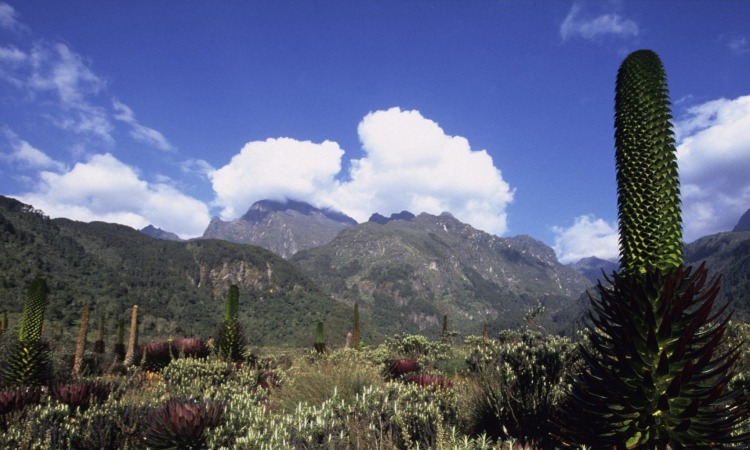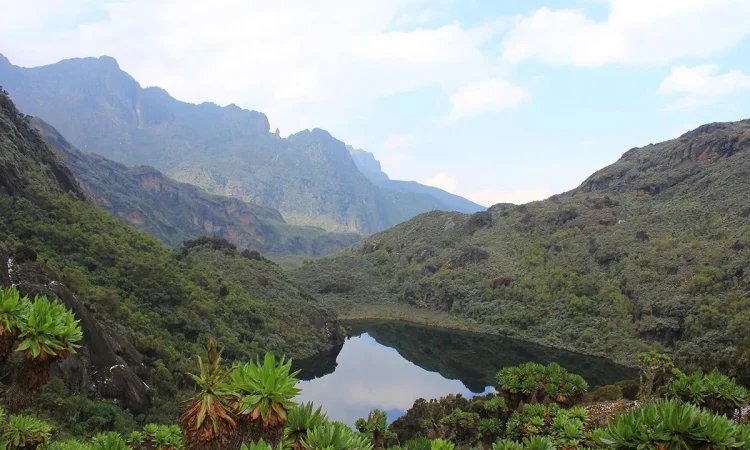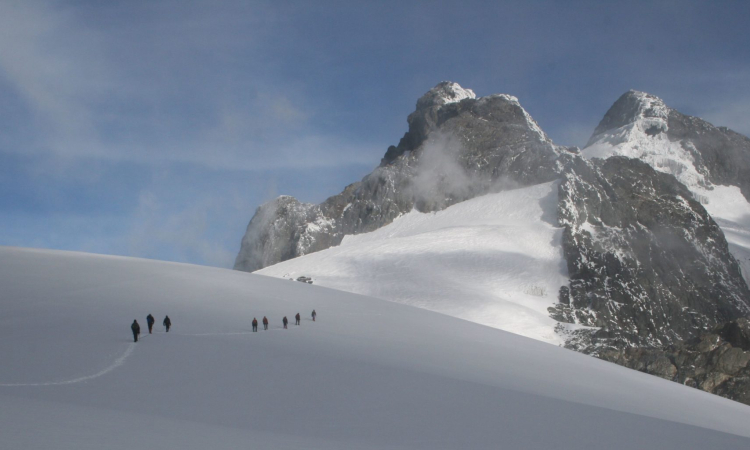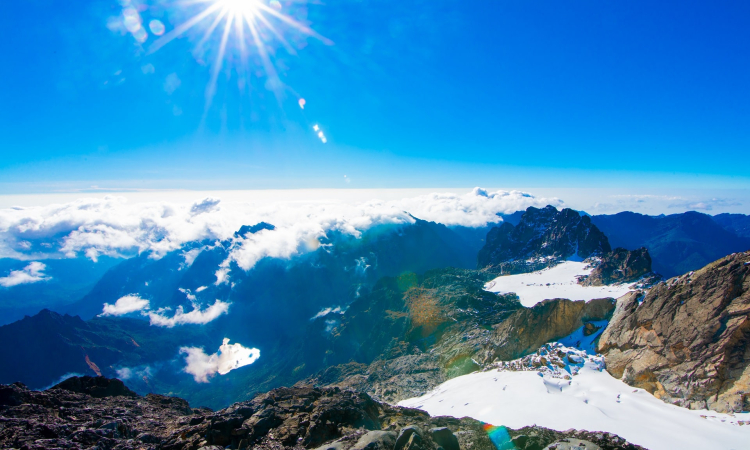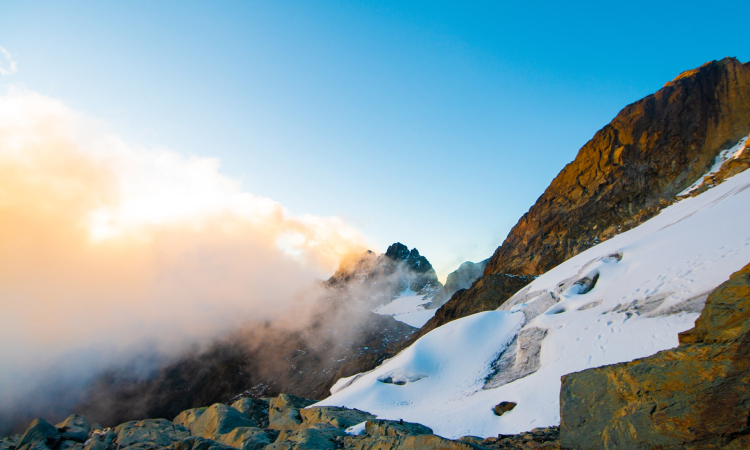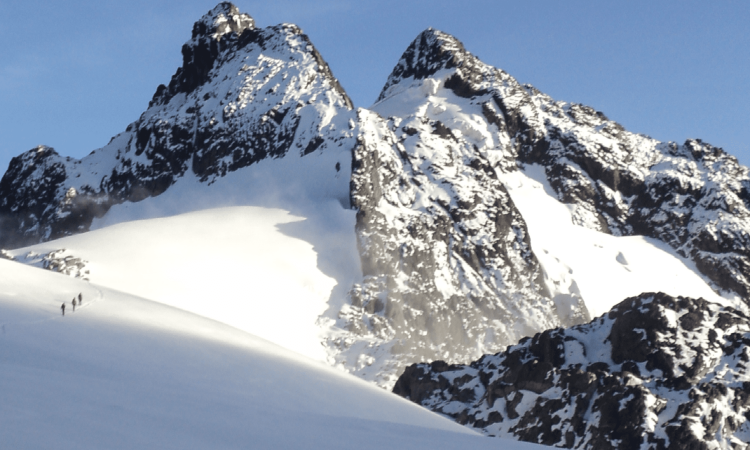

Mount Rwenzori is a World Heritage Site, also called the “Mountain of the Moon,” a name first used by the Greek geographer Ptolemy in 150 AD. Locals call it “Rwenzururu,” meaning rainmaker.
There are only three places in Africa where glaciers are found near the equator: Mount Kilimanjaro, Mount Kenya, and Mount Rwenzori. The Rwenzori is home to rare plants, animals, and unique species. Because the mountain has thick forests, it also provides a habitat for mosquitoes that spread malaria.
Mosquitoes are more common in the wet season. Many lodges provide mosquito nets, but you may also carry your own. Using insect repellent is highly advised, and some travelers prefer insecticides, though you should avoid inhaling them as they can be harmful.
Before traveling, it is important to see your doctor and explain the country you are visiting and its health risks. The doctor will prescribe anti-malaria medicine to protect you. It is also wise to buy travel insurance so that you can get treatment quickly if needed while abroad. Always read and understand the policy before paying to avoid disappointment. If you pay for treatment yourself, keep all receipts so you can claim the money back when you return home.
Mosquitoes are common in the lowlands, so wearing earth-colored clothes helps reduce attraction. If you get bitten and start showing symptoms such as fever, vomiting, or weakness, seek treatment immediately. Malaria is dangerous and can kill if untreated.
Recent reports show that malaria cases are rising due to climate change and the spread of different mosquito species. Preventive measures such as clearing tall grass, draining stagnant water, and always sleeping under a treated mosquito net are very important.
Malaria is less common high in the mountains because of the altitude, but it is still present in the surrounding areas. The most widespread parasite here is Plasmodium falciparum, which causes the most severe form of malaria.