
If you plan to visit Mount Rwenzori in October, there are important tips to help you enjoy your adventure safely. The Mountains of the Moon have both alpine and equatorial climates, meaning rain can fall at any time of the year. October is one of the wet months, with long periods of rain that make the paths muddy and slippery. To manage this, carry strong boots to prevent mud from sticking to your feet, and wear waterproof clothes to keep dry. Avoid trekking to high points when it is raining, as the slopes are dangerous and may cause accidents or serious injuries.
It is possible to hike Mount Rwenzori all year round, but some months bring colder weather, more rainfall, and heavy snow at the summit. Always ask your tour operator about the best month to hike, whether for trekking, nature walks, bird-watching, or cultural visits. The area usually has two wet seasons: the long rains and the short rains, with the short rains starting in November. Weather here is unpredictable, and rains may come earlier, later, or in smaller amounts. However, local people who have lived near the mountains for many years can often tell the weather by looking at the sky.
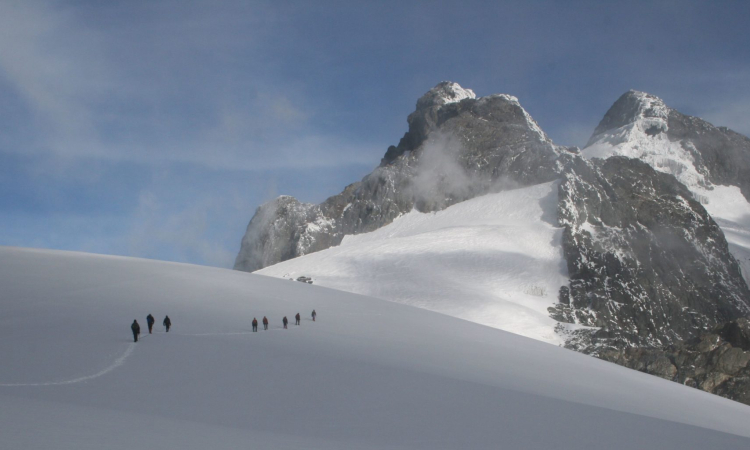
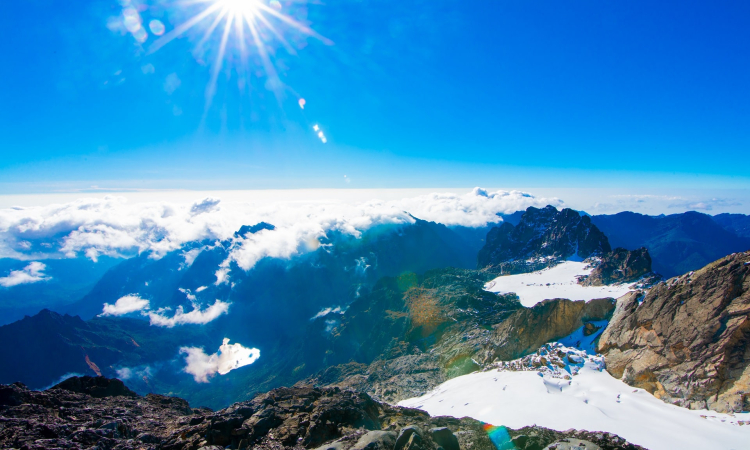
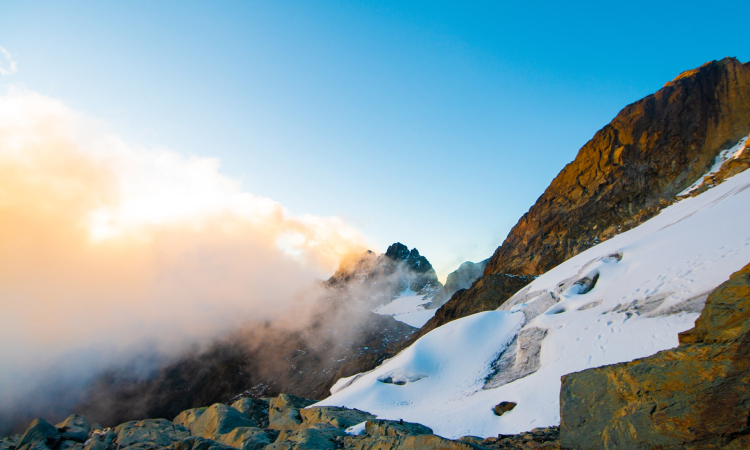
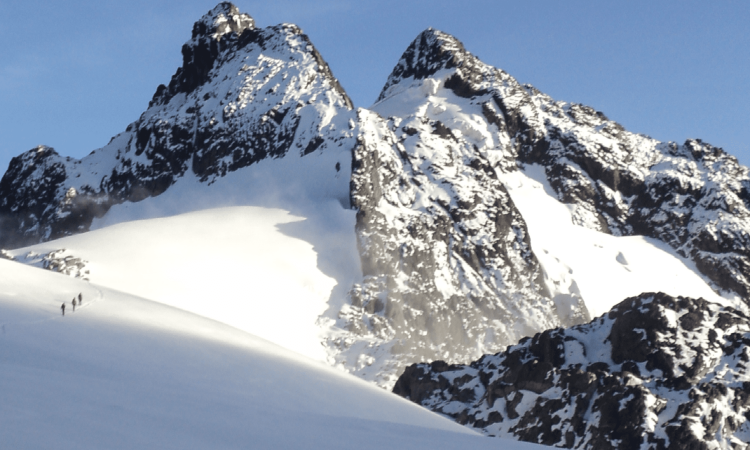
The Rwenzori Mountains are often covered in mist, which creates ice on the higher peaks and feeds the glaciers. These glaciers melt into water during the day. For the best hiking experience, it is advised to start early between 2:00 am and 8:00 am, when mist and clouds still cover the peaks. Thunderstorms are common at night and again in the morning between 7:00 am and 10:00 am.
The best time to hike is usually between the dry and wet seasons. During the dry months, melting glaciers can also make the paths slippery. Despite these challenges, the Rwenzori remains a special destination worth visiting.