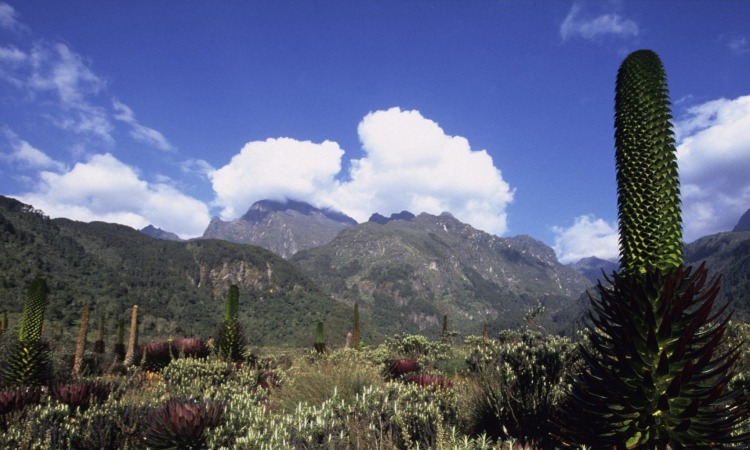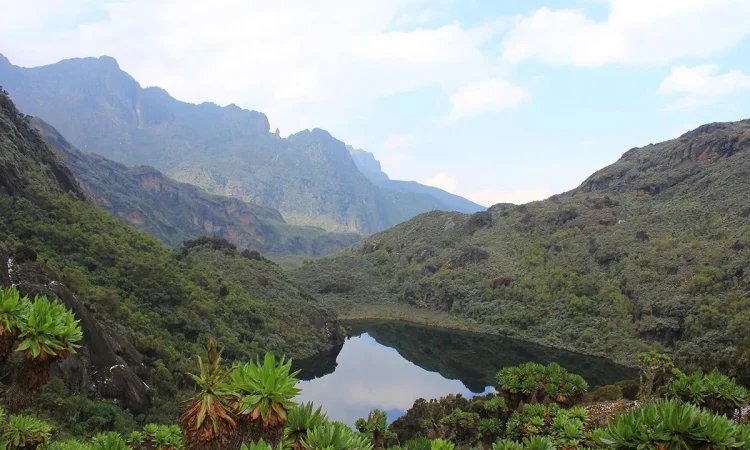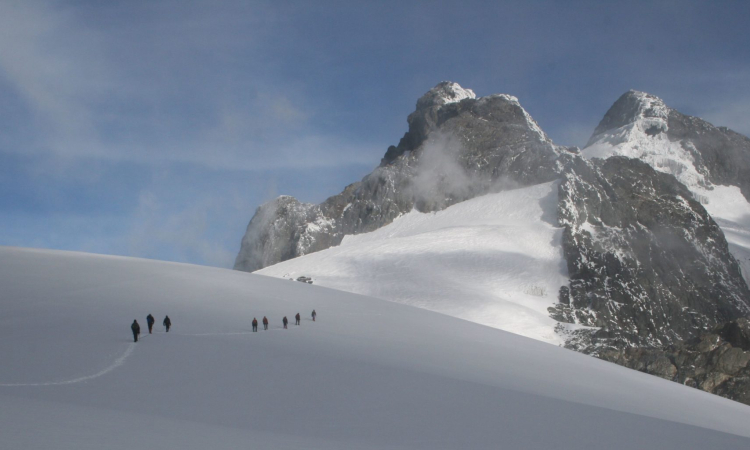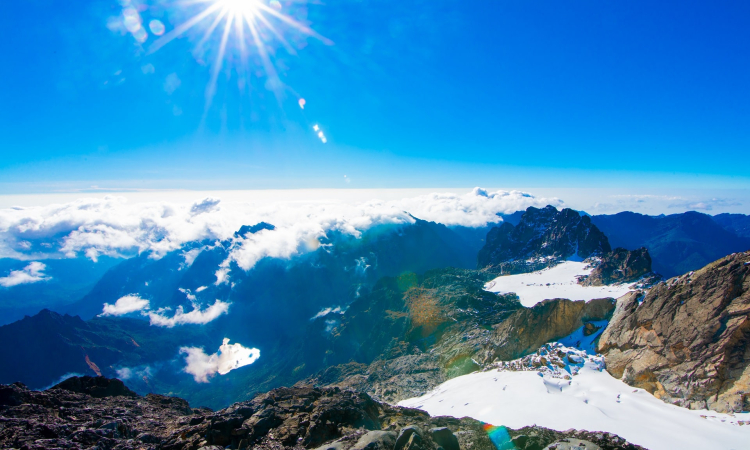

The plants of Mount Rwenzori grow in six main zones that change with altitude. The montane forest lies between 2000 and 3000 meters. The bamboo zone is found at 2500 to 3000 meters, while the heather zone stretches between 3000 and 4000 meters above sea level.
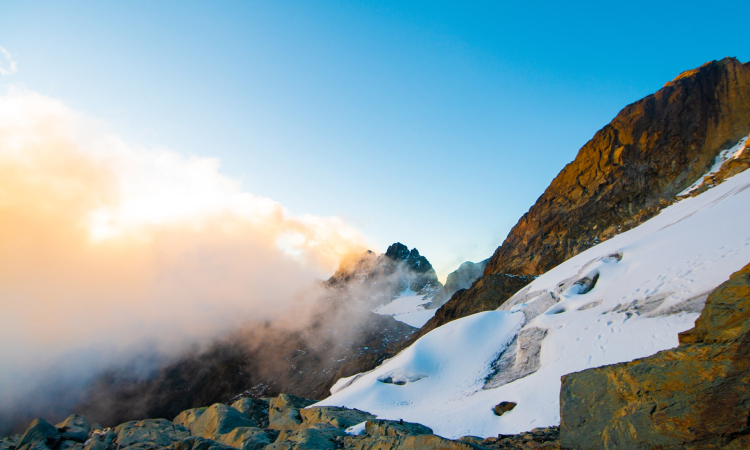
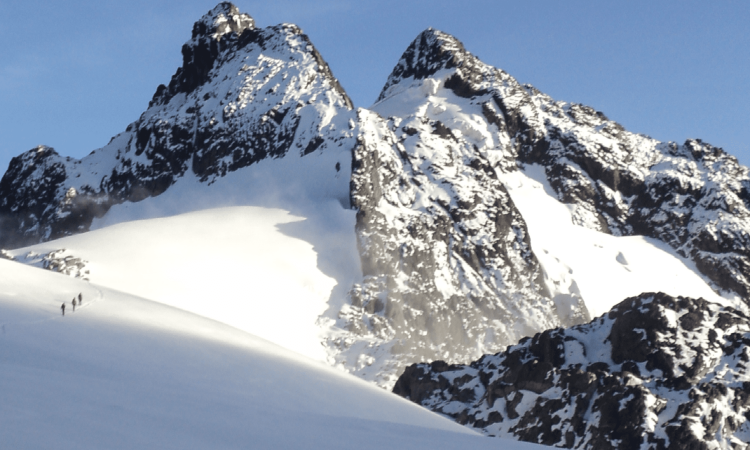
The alpine zone, together with the rock and glacier zone, is found between 4000 and 4500 meters. This area is very cold, which is why visitors are advised to wear warm clothes when hiking. The mountain is rich in plant life, ranging from tropical rainforest with evergreen trees to bamboo forests where the ground is covered with thick layers of leaves.
The trees here are moderate in size, and the broken forest canopy allows light to reach shrubs, herbs, and flowering plants. In the alpine moorland zone, there are no trees, but plant species such as giant heathers, groundsels, Lobelia, Senecio longeligulatus, and Senecio adnivalis can be seen. From this altitude, hikers can also enjoy wide views of the slopes and surrounding areas.
The vegetation on Mount Rwenzori grows throughout the year because of regular rainfall, especially in the wet season. However, visiting in the dry season is easier as trails are more accessible.
Some plants need more sunlight than rain, so the dry season is a good time for visitors who wish to study the plant life of the mountain. The lower ground is covered with grass, forming the starting point of the climb.
The journey then leads into the montane forest, where monkeys, chimpanzees, birds, reptiles, and herbivores can be seen. After this, hikers reach the bamboo zone, which is covered with colorful litter from bamboo leaves.
Resting areas are provided along the way so hikers can regain energy before continuing. Visitors are always reminded to follow the rules and regulations given at the start of the hike.