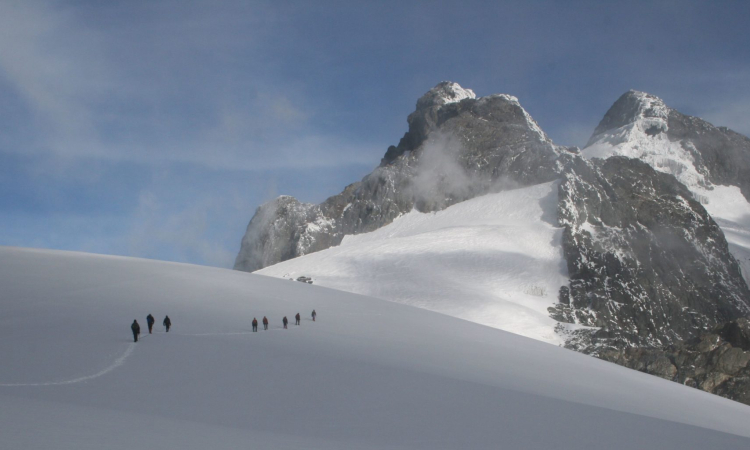
Mount Rwenzori offers many activities, including hiking, which requires both physical and mental fitness to reach the peaks. For first-time trekkers, it is advised to do regular exercise before the safari to prepare for the altitude.
It is also important to book early for proper planning, as many tourists prefer hiking during the dry season when it rarely rains. Inexperienced hikers are discouraged from climbing during the wet season because the trails become muddy, slippery, and boggy, which slows progress and increases the risk of accidents.
Always carry a first aid kit so you can receive immediate treatment before reaching a hospital. Make sure your guides, or you personally, know how to use the equipment. Wear light but warm clothes to keep comfortable before reaching the camps. Gloves and stockings are also important to provide extra warmth.
If a tourist is affected by altitude sickness, precautions should be taken. These include moving down to a lower level to rest, avoiding alcohol, staying hydrated, and eating enough food. If symptoms continue, the person should be taken back to the ground level for further treatment.
Before your tour, visit a doctor to confirm you are fit to climb. After approval, try to spend time in high-altitude areas to help your body adjust to lower oxygen levels. Remember, the higher the altitude, the longer you should stay to allow the body to adapt.
You can also try altitude training systems that help hikers pre-acclimatize at home. This improves the chances of success, safety, and comfort during the climb. Such training can also give long-term benefits like an increase in red blood cells, blood volume, and better oxygen absorption.
The signs of altitude sickness include headaches, nausea, confusion, staggering, and exhaustion. These usually occur between 3000 and 3500 meters. That is why you are advised to climb at your own pace.
Some experienced hikers may reach the peaks in five days, but this is not recommended as it can cause extreme fatigue and injuries.