Guide for Booking Uganda Hiking Tours & Adventures
Uganda is one of Africa’s best destinations for adventure lovers. The country has mountains, forests, rivers, and wildlife, making it a great place for outdoor activities.
Many travelers choose Uganda hiking tours because they bring together nature, culture, and wildlife in one trip. Whether you want to climb high peaks, walk through tropical forests, or join walking safaris, Uganda has something for every hiker.
This guide looks at the best options for Uganda adventures, from mountain climbing to forest hikes, and explains why hiking in Uganda is an experience you should not miss.
Why Choose Uganda for Hiking & Adventure
Uganda is called the “Pearl of Africa” because of its natural beauty. Unlike other destinations that offer only one type of hiking, Uganda has mountains, Savannah, wetlands, and rainforests. This mix makes Uganda hiking tours special.
Reasons why many travelers love hiking in Uganda include:
- Different landscapes, from snow-capped mountains to volcanic slopes
- Wildlife such as gorillas, chimpanzees, elephants, and many birds
- Cultural encounters with local communities and traditions
- All-year travel, with dry seasons being the best time for hiking
Best Places for Mountain Climbing in Uganda
Rwenzori Mountains
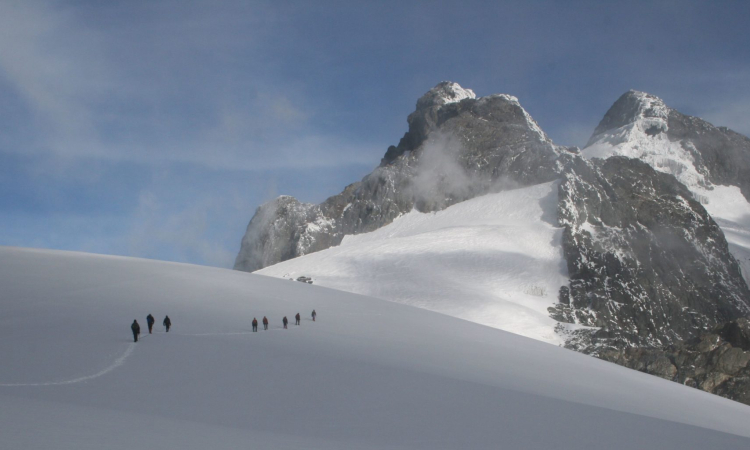
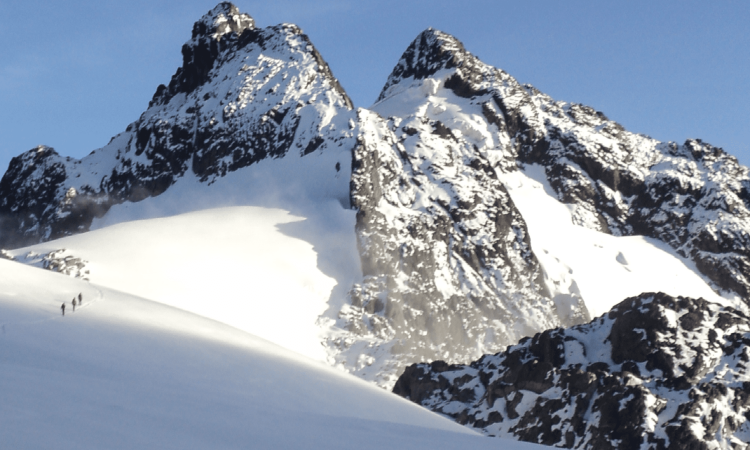
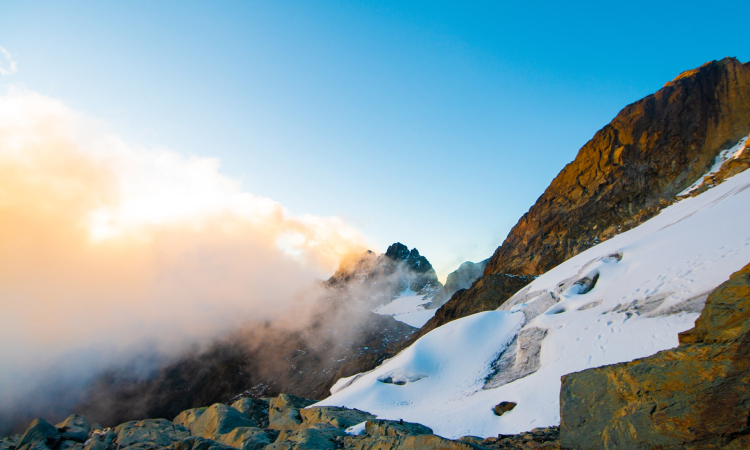
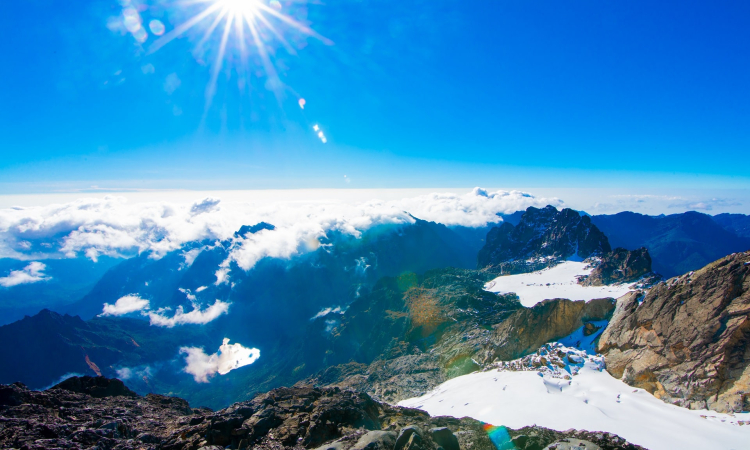
The Rwenzori Mountains are Uganda’s most famous climbing destination. Known as the “Mountains of the Moon,” they sit along the Uganda-DR Congo border. The highest peak, Margherita, rises to 5,109 meters and is always covered in snow.
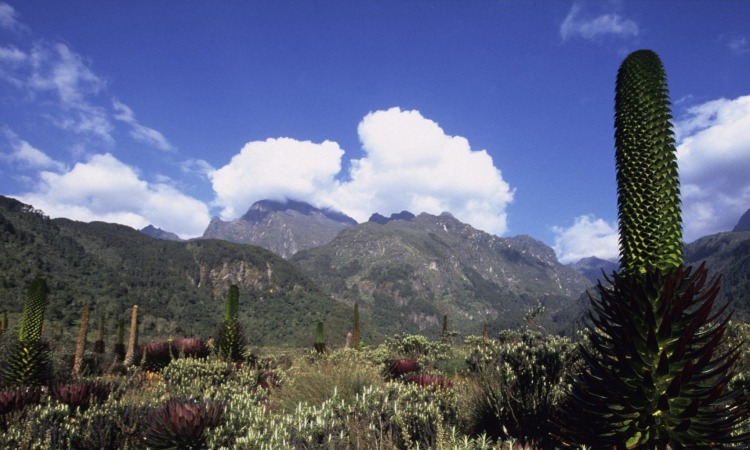
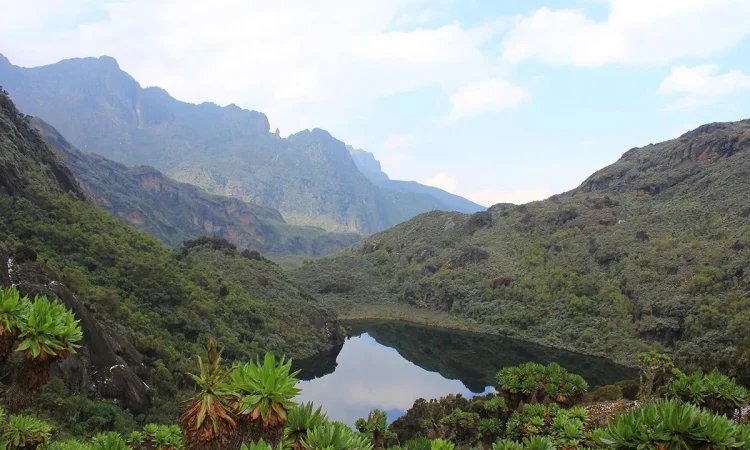
Climbing the Rwenzori is challenging and takes 7 to 9 days. Trails pass through tropical forests, bamboo zones, and alpine meadows before reaching glaciers.
Along the way, you can see rare plants, birds, and mammals. Many hikers say it is one of the most rewarding trekking experiences in Africa.
Mount Elgon
Mount Elgon lies on the eastern border of Uganda and Kenya. It is an extinct volcano with the world’s largest volcanic caldera.
Climbing Elgon is less difficult than Rwenzori and can be done by most hikers with average fitness.
On its lower slopes, you find Sipi Falls, a highlight for many Uganda hiking tours. Multi-day hikes to Wagagai Peak (4,321 meters) offer wide views of both Uganda and Kenya.
Virunga Volcanoes (Mgahinga)
In the southwest, Mgahinga Gorilla National Park is part of the Virunga Volcanoes. Hikers can climb Mount Gahinga, Mount Muhavura, and Mount Sabyinyo.
These are steep one-day climbs. From the top, you can see Uganda, Rwanda, and the Democratic Republic of Congo.
These climbs are often combined with gorilla trekking, making them popular for travelers who want both wildlife and adventure.
Forest & Wildlife Hiking in Uganda
Not all Uganda hiking tours focus on high peaks. Many trails go through forests and savannahs where wildlife is the main attraction.
Bwindi Impenetrable Forest
Bwindi is world-famous for gorilla trekking, but it also has great hiking trails. Walks range from short hikes to full-day treks through thick jungle, waterfalls, and villages. Meeting gorillas in their natural home is one of the top Uganda adventures.
Kibale Forest
Kibale is known as the primate capital of East Africa. Hiking here gives you a chance to see chimpanzees, red colobus monkeys, and many birds.
Trails are easy to moderate, making it a good choice for travelers who prefer lighter hikes.
Queen Elizabeth National Park
In Queen Elizabeth, hiking trails lead along crater lakes, forest gorges, and Savannah plains.
The Kyambura Gorge walk is popular for chimpanzee tracking, while Maramagambo Forest walks are great for birdwatching.
Murchison Falls National Park
Murchison Falls is famous for its powerful waterfall, but it also has hiking trails around the falls and along the Nile River.
Hiking to the top of the falls gives you wide views of the Nile as it squeezes through a narrow gorge.
Short Nature Walks & Community Hikes
Not every traveler wants long treks. Many Uganda tours include short hikes that mix nature and culture.
- Sipi Falls walks: Explore caves, waterfalls, and coffee farms
- Lake Bunyonyi hikes: Walk around the islands and hills while enjoying lake views
- Village walks: Guided tours in local communities where you meet people and learn their lifestyle
These shorter hikes are great additions to longer Uganda adventures.
What to Expect on Uganda Hiking Tours
When you join a hiking or climbing trip in Uganda, here is what you can expect:
- Guided tours: All hikes are led by trained guides and porters
- Accommodation: Options include mountain huts or lodges near the trailheads
- Wildlife encounters: You may see monkeys, birds, or even elephants
- Varied difficulty: From easy walks to multi-day climbs for skilled hikers
Hiking in Uganda is safe, but it is best to book with trusted tour operators for good services and experienced guides.
Best Time for Hiking & Mountain Climbing in Uganda
The best time for hiking in Uganda is during the dry seasons:
- June to August
- December to February
During these months, trails are less muddy, and views are clearer. Still, Uganda lies on the equator, so rain can fall anytime, especially in forests. If you travel in the rainy season, expect slippery paths but fewer crowds.
Packing List for Uganda Hiking Adventures
To enjoy your Uganda adventures, you need the right gear. Pack:
- Strong hiking boots
- Warm clothes (mountains can get very cold)
- Waterproof jacket and backpack cover
- Hat, sunscreen, and sunglasses
- Refillable water bottle
- Walking sticks for mountain climbs
- First aid kit
If you plan to climb Rwenzori or Mount Elgon, tour companies often provide camping gear, but confirm before booking.
Combining Hiking with Other Uganda Tours
Hiking in Uganda can easily be combined with other experiences such as:
- Safari game drives in Murchison Falls, Queen Elizabeth, or Kidepo
- Gorilla trekking in Bwindi or Mgahinga
- Chimpanzee tracking in Kibale Forest
- Boat cruises on the Nile or Kazinga Channel
- Cultural tours in local villages
This makes Uganda one of the best destinations for multi-activity trips.
Tips for Planning Uganda Hiking Tours
- Book in advance: Permits for gorilla trekking and some hikes are limited
- Use local guides: They know the trails and wildlife best
- Train for fitness: Mountain climbing in Uganda can be demanding
- Check health needs: Malaria prevention, yellow fever vaccination, and travel insurance are important
- Work with a trusted operator: They handle transport, accommodation, and permits
Experience the Best Uganda Adventures
Uganda offers more than safaris. With its mountains, forests, waterfalls, and lakes, it is a paradise for hikers and climbers. From the glaciers of the Rwenzori to the volcanoes of Mgahinga, from gorilla treks in Bwindi to nature walks in Murchison Falls, every step is an adventure.
Booking a Uganda hiking tour lets you explore nature, meet local people, and enjoy one of Africa’s most beautiful countries. Whether you want serious mountain climbing or easy village walks, Uganda has trails for everyone.
Plan your trip today and see why many travelers say Uganda offers the best hiking and adventure experiences in Africa.
Frequently Asked Questions & Answers about Hiking in Uganda
- Why is Uganda good for hiking? Because it has mountains, forests, rivers, and many wild animals.
- What makes Uganda hiking tours special? They mix nature, culture, and wildlife in one trip.
- Why is Uganda called the “Pearl of Africa”? Because of its natural beauty and many landscapes.
- What landscapes can I see when hiking in Uganda? Snowy mountains, volcanoes, Savannah, wetlands, and rainforests.
- What animals can I see on Uganda hikes? Gorillas, chimpanzees, monkeys, elephants, and many birds.
- Can I meet local people on hikes? Yes, village walks let you meet communities and learn their culture.
- Is hiking possible all year in Uganda? Yes, but the dry seasons are the best time.
- What is the most famous mountain to climb in Uganda? The Rwenzori Mountains, also called the “Mountains of the Moon.”
- How high is Margherita Peak in the Rwenzori? It is 5,109 meters high and always covered in snow.
- How many days does it take to climb Rwenzori? About 7 to 9 days.
- What can I see when hiking Rwenzori? Rare plants, birds, and wild animals.
- What is Mount Elgon known for? It has the world’s largest volcanic caldera and Sipi Falls.
- Is Mount Elgon climb harder than Rwenzori? No, it is easier and good for most hikers.
- What is Wagagai Peak? The highest point of Mount Elgon at 4,321 meters.
- Where are the Virunga Volcanoes in Uganda? In Mgahinga Gorilla National Park in the southwest.
- Which volcanoes can I climb there? Mount Gahinga, Mount Muhabura, and Mount Sabyinyo.
- How long do Virunga climbs take? They are steep but usually one-day hikes.
- Can I see gorillas when hiking in Mgahinga? Yes, many travelers combine it with gorilla trekking.
- What is Bwindi Forest famous for? For gorilla trekking and jungle hikes.
- What can I see in Kibale Forest? Chimpanzees, monkeys, and many birds.
- What hikes are in Queen Elizabeth National Park? Kyambura Gorge for chimp tracking and Maramagambo Forest for bird-watching.
- What is special about Murchison Falls hikes? You can walk near the powerful waterfall and along the Nile River.
- Are there short nature walks in Uganda? Yes, like Sipi Falls walks, Lake Bunyonyi hikes, and village tours.
- Do all hikes in Uganda have guides? Yes, they are led by trained guides and porters.
- What kind of places can I stay during hikes? Mountain huts or lodges near the trails.
- When is the best time to hike in Uganda? During the dry seasons from June-August and December-February.
- What should I pack for Uganda hiking? Strong boots, warm clothes, rain jacket, hat, water bottle, walking stick, and first aid kit.
- Can I mix hiking with other tours in Uganda? Yes, with safaris, gorilla trekking, chimp tracking, boat rides, and cultural visits.
- Do I need to book Uganda hiking tours early? Yes, especially for gorilla trekking because permits are limited.
- Is hiking in Uganda safe? Yes, if you use trusted tour operators with good guides.