The trek begins at Trekkers Hostel in Kyanjuki, 12 kilometers from Kasese town past the Kilembe copper mines. It is best to start by 8:30am, but you may leave as late as 10am. You will meet your guides, receive a briefing, and then walk 2.2km to the UWA ranger post at 1,727 meters.
6-Day Rwenzori Tour Highlights
- Day 1: Hike to Sine Camp (2,596m)
- Day 2: Hike to Mutinda Camp (3,588m)
- Day 3: Hike to Bugata Camp (4,100m)
- Day 4: Hike to Hunwick’s Camp (3,974m)
- Day 5: Summit Weismann’s Peak or Visit Kitandara Valley
- Day 6: Descend to Base Camp
Detailed 6-Day Rwenzori Tour Itinerary
Day 1: Hike to Sine Camp (2,596m)
The trek starts with a steady climb through tall Afro-Montane forest trees. Along the way, you may see blue monkeys, black-and-white colobus monkeys in groups of up to 20, and sometimes the rare L’Hoest monkey, which is culturally protected by the Bakonzo King. You might also hear wild chimpanzees in the distance.
The forest is rich with plant life including bamboo, shrubs, flowers, fungi, moss, and vines hanging from the tall trees. Just 200 meters from Sine Hut, you will find Enock’s Falls, a perfect spot for photos.
Day 2: Hike to Mutinda Camp (3,588m)
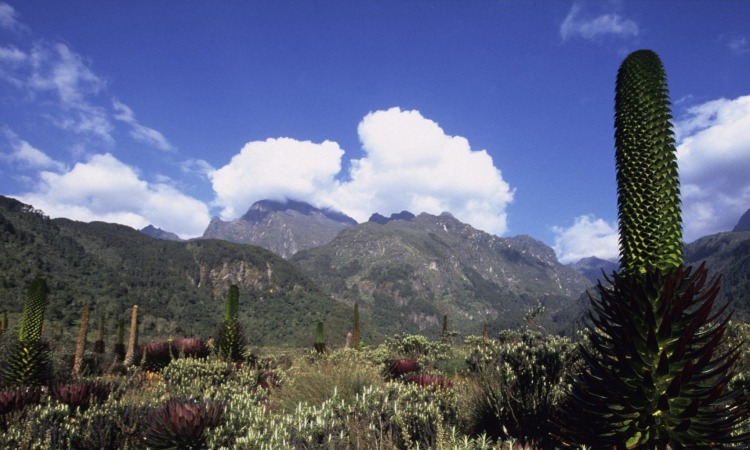
You hike through the Bamboo and Heather-Rapanea Zone, climbing over ridges, crossing streams, and passing moss-covered waterfalls. At higher elevations you will see giant heather trees draped in moss and lichen.
Mutinda Camp sits near a small river and waterfall. In the afternoon, you have the option to climb to Mutinda Lookout at 3,975m, which helps with acclimatization.
Distance: 6.1km, about 6–8 hours of hiking.
Day 3: Hike to Bugata Camp (4,100m)
The trail is boggy, especially in the wet season, but boardwalks make it easier. You cross Mutinda Valley with tussock grass, everlasting flowers, and giant lobelias before climbing into Namusangi Valley (3,840m), which ends with waterfalls and views of Mutinda Peaks.
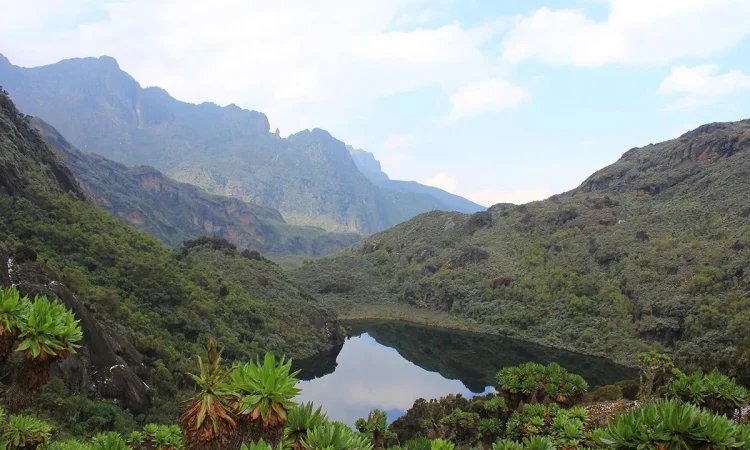
Bugata Camp lies above Bamwanjara Pass, overlooking Bugata Lake and Lake Kopello, with views of Weismann’s Peak and several other small lakes. The area is home to tussock grass, lobelia, groundsel, and the rare red forest duiker found only in the Rwenzoris.
Distance: 4.9km, from 3,588m to 4,100m.
Bugata Camp has solar lights, toilets, bathrooms, and a helicopter pad for emergencies.
Day 4: Hike to Hunwick’s Camp (3,974m)
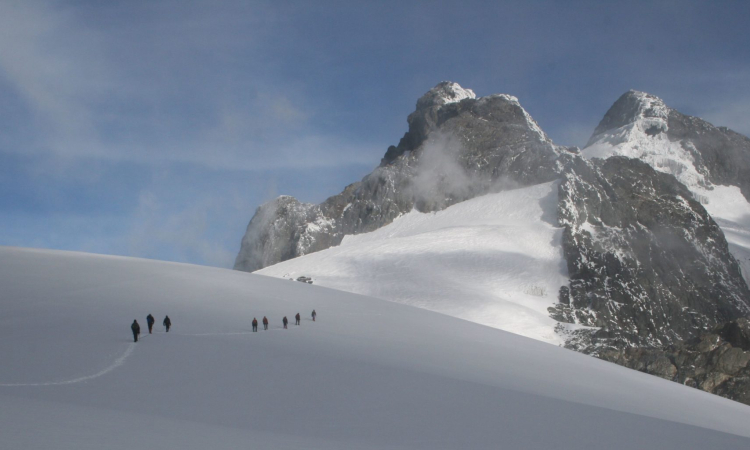
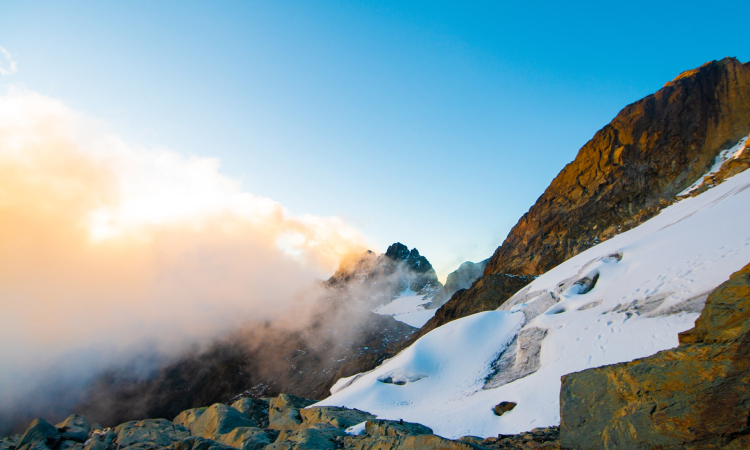
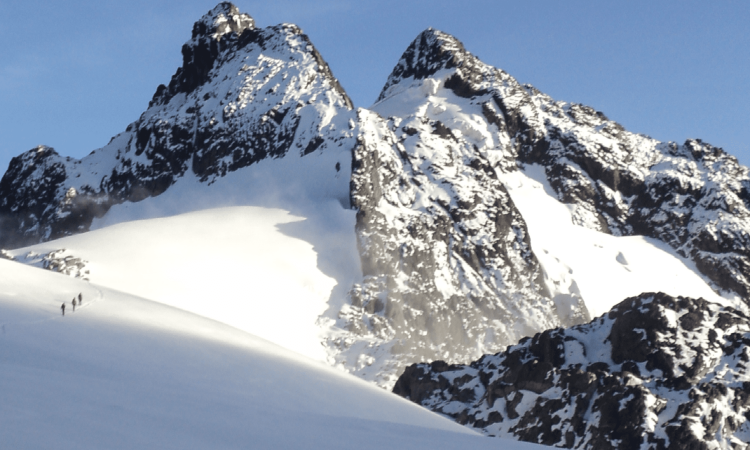
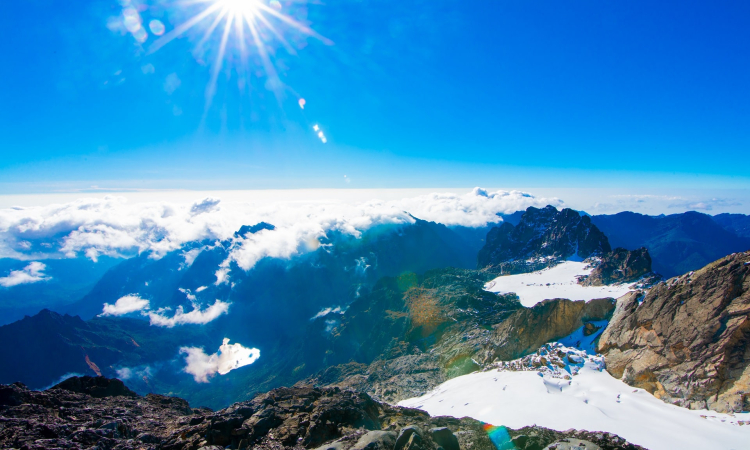
From Bugata, climb towards Bamwanjarra Pass (4,450m). On a clear day you can see all three main peaks. The trail continues past bogs, thick moss, groundsel, and lobelia, where malachite sunbirds are often seen feeding. After some steep sections, the trail climbs to Hunwick’s Camp, which offers views of Mt Stanley, Mt Baker, Weismann’s Peak, and McConnell’s Prong.
Day 5: Summit Weismann’s Peak or Visit Kitandara Valley
After breakfast, you can choose to summit Weismann’s Peak (4,620m) before descending to Kiharo Camp, or hike to the Kitandara Lakes for views of the valley before continuing down to Kiharo Camp for the night.
Day 6: Descend to Base Camp
From Kiharo Camp, it is 12.2km to the park gate and another 2.8km to Trekkers Hostel. The hike takes 5–8 hours, so leave early if you need to connect to flights or continue your travels.
The descent follows the Nyamwamba Valley, which is mostly downhill. The valley is full of waterfalls, moss-covered rocks, and deep forests, making it one of the most scenic parts of the Rwenzoris. This route took years to open for trekkers. In 1937, geologist McConnell tried to climb through this valley but failed. Today, you can enjoy the route he could not finish.